


E-auction 440-352187 - fme_696661 - LOUIS XIV "THE SUN KING" Pyramide élevée à Rome, refrappe moderne

You must signin and be an approved bidder to bid, LOGIN TO BID. Accounts are subject to approval and the approval process takes place within 48 hours. Do not wait until the day a sale closes to register. Clicking on « bid » constitutes acceptance of the terms of use of cgb.fr private e-auctions.
Bids must be placed in whole Euro amounts only. The sale will start closing at the time stated on the item description; any bids received at the site after the closing time will not be executed. Transmission times may vary and bids could be rejected if you wait until the last second. For further information ckeck the E-auctions F.A.Q.
NO BUYER'S FEE.
NO BUYER'S FEE.
| Estimate : | 60 € |
| Price : | 35 € |
| Maximum bid : | 35 € |
| End of the sale : | 20 September 2021 18:53:00 |
| bidders : | 4 bidders |
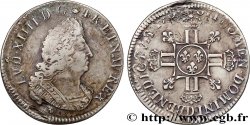
Type : Pyramide élevée à Rome, refrappe moderne
Date: 1664
Metal : bronze
Diameter : 40,5 mm
Orientation dies : 12 h.
Engraver MAUGER Jean (1648-1712)
Weight : 34,61 g.
Edge : lisse + corne BR
Puncheon : corne BR
Coments on the condition:
Patine hétérogène, des frottements dans les champs. Présence de coups et rayures
Catalogue references :
Obverse
Obverse legend : LUDOVICUS XIIII . REX CHRISTIANISSIMUS..
Obverse description : Buste de Louis XIV à droite, signé I. MAVGER. F.
Obverse translation : (Louis XIV, roi très chrétien).
Reverse
Reverse legend : OB NEF. SCELUS A CORSIS EDIT. IN ORAT. REG. FR.
Reverse description : La ville de Rome, sous la figure d’une femme assise, tenant un javelot et un bouclier sur lequel on lit : ROMA. A droite la nouvelle pyramide ; à l’exergue : POSITA PYRAMIDE / M DC LXIV.
Commentary
En août 1662, les gardes de l’ambassadeur du roi de France à Rome eurent une querelle avec les gardes corses du pape. Du côté français, il y eut des blessés et même un mort. Comme la cour de Rome hésitait à présenter ses excuses, l’ambassadeur quitta la ville. Louis XIV, de son côté, ordonna le nonce apostolique de quitter la cour et occupa Avignon et le Comtat Venaissin. une guerre semblait éclater d’un moment à l’autre.
Finalement, une paix fut conclue entre le pape Alexandre VII et le roi de France. Louis XIV restituait le Comtat et le pape en échange offrait comme réparation le renvoi de la garde corse, une déclaration d’excuses du nonce et l’érection d’une pyramide à Rome, en mémoire à ces excuses.
La pyramide fut érigée au commencement de l’année 1664. Le 29 juillet de la même année, le neveu du pape, le cardinal Chigi, fut reçu en audience dans la chambre du roi et présenta les excuses de Rome (médaille 79). Le pape Clément IX, le successeur d’Alexandre VII, désirait la destruction de la pyramide, ce témoignage de l’humiliation papale. Louis XIV finit par donner son consentement et la pyramide fut détruite en 1668.
In August 1662, the guards of the King of France's ambassador in Rome had a quarrel with the Pope's Corsican guards. On the French side, there were injuries and even one death. As the court in Rome hesitated to apologize, the ambassador left the city. Louis XIV, for his part, ordered the papal nuncio to leave the court and occupied Avignon and the Comtat Venaissin. A war seemed likely to break out at any moment. Finally, peace was concluded between Pope Alexander VII and the King of France. Louis XIV returned the Comtat, and the Pope, in exchange, offered as reparations the dismissal of the Corsican guard, a declaration of apology from the nuncio, and the erection of a pyramid in Rome as a memorial to these apologies. The pyramid was erected at the beginning of 1664. On July 29 of the same year, the Pope's nephew, Cardinal Chigi, was received in audience in the king's chamber and presented Rome's apologies (medal 79). Pope Clement IX, the successor of Alexander VII, desired the destruction of the pyramid, this testimony to papal humiliation. Louis XIV finally gave his consent and the pyramid was destroyed in 1668
Finalement, une paix fut conclue entre le pape Alexandre VII et le roi de France. Louis XIV restituait le Comtat et le pape en échange offrait comme réparation le renvoi de la garde corse, une déclaration d’excuses du nonce et l’érection d’une pyramide à Rome, en mémoire à ces excuses.
La pyramide fut érigée au commencement de l’année 1664. Le 29 juillet de la même année, le neveu du pape, le cardinal Chigi, fut reçu en audience dans la chambre du roi et présenta les excuses de Rome (médaille 79). Le pape Clément IX, le successeur d’Alexandre VII, désirait la destruction de la pyramide, ce témoignage de l’humiliation papale. Louis XIV finit par donner son consentement et la pyramide fut détruite en 1668.
In August 1662, the guards of the King of France's ambassador in Rome had a quarrel with the Pope's Corsican guards. On the French side, there were injuries and even one death. As the court in Rome hesitated to apologize, the ambassador left the city. Louis XIV, for his part, ordered the papal nuncio to leave the court and occupied Avignon and the Comtat Venaissin. A war seemed likely to break out at any moment. Finally, peace was concluded between Pope Alexander VII and the King of France. Louis XIV returned the Comtat, and the Pope, in exchange, offered as reparations the dismissal of the Corsican guard, a declaration of apology from the nuncio, and the erection of a pyramid in Rome as a memorial to these apologies. The pyramid was erected at the beginning of 1664. On July 29 of the same year, the Pope's nephew, Cardinal Chigi, was received in audience in the king's chamber and presented Rome's apologies (medal 79). Pope Clement IX, the successor of Alexander VII, desired the destruction of the pyramid, this testimony to papal humiliation. Louis XIV finally gave his consent and the pyramid was destroyed in 1668
Historical background
LOUIS XIV "THE SUN KING"
(05/14/1643-09/01/1715)
The reign of Louis XIV is the longest and most glorious in the history of France. Son of Louis XIII and Anne of Austria, born September 5, 1638, the third Bourbon king ascended the throne in 1643 and remained there for seventy-three years. He died on September 1, 1715, aged seventy-seven.. Between 1643 and 1661, under the regency of Anne of Austria and the ministry of Cardinal Mazarin, absolutism was built through combat: internal struggle against the Fronde, external struggle against Spain. The personal reign of Louis XIV began in 1661, when the young king decided to "govern by himself".. The absolute monarchy then reached its peak, the king being surrounded by a team of exceptional ministers: Le Tellier, Louvois, Colbert, Seignelay. This prosperous period ended during the 1680s, with the first setbacks, the revocation of the Edict of Nantes (1685), the end of the great external successes and the gradual disappearance of the entourage of the first years (Colbert died in 1683 , Le Tellier in 1685, Seignelay in 1690, Louvois in 1691). The third and last part of the reign, between 1685 and 1715, is more difficult. The aging king finds no such collaborators. Glorious, this reign was first a warlike reign. Never has France known so many wars: the Thirty Years' War, completed with the Empire in 1648, with Spain only in 1659, War of Devolution (1667-1668), War of Holland (1672-1678), war with Spain (1684), War of the League of Augsburg (1688-1697), War of the Spanish Succession (1701-1713). She never knew more victories and more conquests: in 1648, the treaties of Westphalia gave her Alsace, in 1659, the peace of the Pyrenees, Artois and Roussillon; in 1668, by the Peace of Aix-la-Chapelle, it reached Flanders; in 1678, by the Treaty of Nijmegen, Franche-Comté. In 1681, the king annexed Strasbourg. The following decades were less happy: in 1697 (Treaty of Ryswick), France ceded Luxembourg; in 1713 and 1714 (treaties of Utrecht and Rastadt), she abandoned Acadia, a prelude to the loss of America, fifty years later. The reign of Louis XIV therefore corresponds quite exactly to the age of French preponderance in Europe: France supplanted Spain; it will soon be supplanted by England, which holds the empire of the seas and the expanses of the New World. To the glory of the victorious and conquering king is added the glory of the king administrator, legislator, protector of arts and letters. Louis XIV and his ministers gave perfection to the construction of the monarchy: the legislation was reformed, the nobility subdued, the provinces tamed, heresy overthrown, artists and writers put themselves at the service of royal power. Lex una sub uno sole: "a single law under a single sun": everything must revolve around the star-master. The whole of Europe feels the attraction and prestige of Versailles. The reality is undoubtedly less brilliant than this flattering program: the royal administration remains too small to really frame the largest and most populous kingdom in Europe; particularisms resist; the Protestants leave to enrich the enemies of France. The fact remains that it is the image of the king of glory that has imposed itself in the memories, as Louis XIV had decided and wanted it.. There lies the true triumph of this prince: for France and for Europe, for the following century and for centuries to come, for contemporaries as for posterity, he was and remains the king par excellence.. Coins and medals, which restore to us the Jupiterian profile of the great monarch, are part of this will and this success.. Louis XIV paid particular attention to them: the Grand Siècle is also a great century of numismatics.
 Report a mistake
 Print the page
 Share my selection
 Ask a question
 Consign / sell
Related articles
 Full data


cgbfr.com numismatists


