


bpv_305473 - CARACALLA Tétradrachme syro-phénicien

Not available.
Item sold on our e-shop (2014)
Price : 380.00 €
Item sold on our e-shop (2014)
Price : 380.00 €
Type : Tétradrachme syro-phénicien
Date: 214-215
Mint name / Town : Antioche, Syrie, Séleucie et Piérie
Metal : billon
Diameter : 25,5 mm
Orientation dies : 6 h.
Weight : 13,06 g.
Rarity : R3
Coments on the condition:
Belle frappe bien centrée sur un flan bien rond, infime usure de circulation
Catalogue references :
Predigree :
Cet exemplaire est le 222_001 de la base TSP, il provient de la vente sur offres Elsen 15 du 3 février 1990, n° 85 et de la Collection Robert Gait
Obverse
Obverse description : Buste lauré drapé et cuirassé de Caracalla à gauche, ptéryges bien visibles sous le paludamentum, vu de trois-quarts arrière (A*3), avec barbe touffue et les rubans derrière la nuque, début de la légende à la nuque.
Obverse legend : ANTWNEINOS. - .SE AUT K. M. A.
Obverse translation : (Antonin auguste empereur césar Marc Aurèle).
Reverse
Reverse description : Aigle à gauche, ailes écartées, tête et queue à droite, tenant un cuissot d’animal sacrificiel dans ses serres, souris à droite, et une couronne perlée de lauriers dans son bec.
Reverse legend : .DHMARC .EX. - UPATO. D., (Dhmarcikhs Ex Ousias Upatos D)
Reverse translation : (Revêtu de la puissance tribunitienne consul pour la quatrième fois).
Commentary
La caractéristique spécifique à ce type, Prieur 222, est le buste drapé et cuirassé, tourné à gauche et la légende de droit omettant le B final qui est présent sur le Prieur 221.
À noter que McAlee ne différencie pas les deux légendes et regroupe les Prieur 221 et 222 sous la même référence.
On pourrait gloser sur la concordance, dans ce groupe, des bustes militaires et de l’orientation à gauche, mais cette concordance disparaissant dès les émissions de guerre proprement dites, ce serait probablement vain. Ces émissions à bustes militaires sont relativement peu nombreuses, de l’ordre du sixième des frappes du groupe. On remarquera la position curieuse de la légende, mais, là encore, probablement rien de signifiant puisque les positions redeviennent usuelles pour les émissions militaires de 215/217.
Cette monnaie appartient à l’émission caractérisée par l’absence du Delta Eta au revers et aux frappes massives de la préparation à la guerre parthique, voire aux débuts de la campagne. La qualité de gravure et de frappe est toujours bonne, voire très bonne, mais l’empereur commence à voir son portrait vieillir et les rides épaisses qui marquent son front, en sont une bonne illustration.
On peut raisonnablement penser que les graveurs ont voulu exprimer la personnalité autant que l’aspect réel - l’empereur n’a que 26 ans - en exagérant ces traits. La moue dédaigneuse de ces portraits est probablement causée par la moustache sur l’empereur porte manifestement tombante.
On peut aussi penser que la vie de débauche dont son père avait essayé de l’extraire, par exemple en organisant une campagne un peu superflue en Bretagne, l’a profondément marqué.
Ce groupe d’émissions est daté du quatrième consulat mais ces monnaies sont radicalement différentes, de style de revers et de style de portrait, de la première émission du quatrième consulat (Prieur 216), que nous avons laissée avec celles du troisième, dans le groupe des frappes aux deux étoiles.
Là encore, comme sous Domitien, dont les émissions, bien datées, permettent de juger des changements de graveurs, on constate que d’une année (Prieur 216) à l’autre (Prieur 217), nous ne trouvons plus le même graveur et pouvons supposer une réorganisation radicale.
Cette réorganisation, si elle a permis une très forte augmentation de la production, n’a pourtant pas nécessité plus d’un graveur, l’homogénéité des exemplaires répertoriés est remarquable, à une poignée d’exceptions près. Là encore, on peut penser que l’organisation de l’atelier d’Antioche ne requérait pas un graveur inamovible mais, selon des méthodes qui nous resteront toujours inconnues, concours, fermage ou adjudication, l’attribution du poste, pour des durées variables, à des artistes différents.
On note que les sigma sont gravés en C.
Dans la base TSP maintenue par Michel Prieur, huit exemplaires sont maintenant répertoriés dont aucun en musée.
The specific characteristic of this type, Prieur 222, is the draped and cuirassed bust, turned to the left and the legend on the right omitting the final B which is present on Prieur 221.
Note that McAlee does not differentiate between the two legends and groups Prior 221 and 222 under the same reference..
One could discuss the concordance, in this group, of military busts and left-wing orientation, but since this concordance disappears from the war issues themselves, it would probably be in vain.. These military bust emissions are relatively few in number, around one sixth of the group's strikes.. We will note the curious position of the legend, but, again, probably nothing significant since the positions become usual again for the military issues of 215/217.
This coin belongs to the issue characterized by the absence of Delta Eta on the reverse and the massive strikes of the preparation for the Parthian War, or even at the beginning of the campaign.. The quality of the engraving and striking is still good, even very good, but the emperor is beginning to see his portrait age and the thick wrinkles that mark his forehead are a good illustration of this..
It is reasonable to assume that the engravers wanted to express the personality as much as the real appearance - the emperor was only 26 years old - by exaggerating these features.. The disdainful pout in these portraits is probably caused by the moustache on the emperor's obviously drooping face..
We can also think that the life of debauchery from which his father had tried to extract him, for example by organizing a somewhat superfluous campaign in Brittany, had a profound effect on him..
This group of issues is dated to the fourth consulate but these coins are radically different, in reverse style and portrait style, from the first issue of the fourth consulate (Prieur 216), which we have left with those of the third, in the group of strikes with two stars.
Here again, as under Domitian, whose well-dated issues allow us to judge the changes of engravers, we note that from one year (Prieur 216) to the next (Prieur 217), we no longer find the same engraver and can assume a radical reorganization..
This reorganization, although it allowed for a very strong increase in production, did not require more than one engraver; the homogeneity of the listed examples is remarkable, with a handful of exceptions.. Here again, we can think that the organization of the Antioch workshop did not require a permanent engraver but, according to methods which will always remain unknown to us, competition, rent or adjudication, the allocation of the position, for variable durations, to different artists.
Note that the sigmas are engraved in C.
In the TSP database maintained by Michel Prieur, eight examples are now listed, none of which are in museums.
À noter que McAlee ne différencie pas les deux légendes et regroupe les Prieur 221 et 222 sous la même référence.
On pourrait gloser sur la concordance, dans ce groupe, des bustes militaires et de l’orientation à gauche, mais cette concordance disparaissant dès les émissions de guerre proprement dites, ce serait probablement vain. Ces émissions à bustes militaires sont relativement peu nombreuses, de l’ordre du sixième des frappes du groupe. On remarquera la position curieuse de la légende, mais, là encore, probablement rien de signifiant puisque les positions redeviennent usuelles pour les émissions militaires de 215/217.
Cette monnaie appartient à l’émission caractérisée par l’absence du Delta Eta au revers et aux frappes massives de la préparation à la guerre parthique, voire aux débuts de la campagne. La qualité de gravure et de frappe est toujours bonne, voire très bonne, mais l’empereur commence à voir son portrait vieillir et les rides épaisses qui marquent son front, en sont une bonne illustration.
On peut raisonnablement penser que les graveurs ont voulu exprimer la personnalité autant que l’aspect réel - l’empereur n’a que 26 ans - en exagérant ces traits. La moue dédaigneuse de ces portraits est probablement causée par la moustache sur l’empereur porte manifestement tombante.
On peut aussi penser que la vie de débauche dont son père avait essayé de l’extraire, par exemple en organisant une campagne un peu superflue en Bretagne, l’a profondément marqué.
Ce groupe d’émissions est daté du quatrième consulat mais ces monnaies sont radicalement différentes, de style de revers et de style de portrait, de la première émission du quatrième consulat (Prieur 216), que nous avons laissée avec celles du troisième, dans le groupe des frappes aux deux étoiles.
Là encore, comme sous Domitien, dont les émissions, bien datées, permettent de juger des changements de graveurs, on constate que d’une année (Prieur 216) à l’autre (Prieur 217), nous ne trouvons plus le même graveur et pouvons supposer une réorganisation radicale.
Cette réorganisation, si elle a permis une très forte augmentation de la production, n’a pourtant pas nécessité plus d’un graveur, l’homogénéité des exemplaires répertoriés est remarquable, à une poignée d’exceptions près. Là encore, on peut penser que l’organisation de l’atelier d’Antioche ne requérait pas un graveur inamovible mais, selon des méthodes qui nous resteront toujours inconnues, concours, fermage ou adjudication, l’attribution du poste, pour des durées variables, à des artistes différents.
On note que les sigma sont gravés en C.
Dans la base TSP maintenue par Michel Prieur, huit exemplaires sont maintenant répertoriés dont aucun en musée.
The specific characteristic of this type, Prieur 222, is the draped and cuirassed bust, turned to the left and the legend on the right omitting the final B which is present on Prieur 221.
Note that McAlee does not differentiate between the two legends and groups Prior 221 and 222 under the same reference..
One could discuss the concordance, in this group, of military busts and left-wing orientation, but since this concordance disappears from the war issues themselves, it would probably be in vain.. These military bust emissions are relatively few in number, around one sixth of the group's strikes.. We will note the curious position of the legend, but, again, probably nothing significant since the positions become usual again for the military issues of 215/217.
This coin belongs to the issue characterized by the absence of Delta Eta on the reverse and the massive strikes of the preparation for the Parthian War, or even at the beginning of the campaign.. The quality of the engraving and striking is still good, even very good, but the emperor is beginning to see his portrait age and the thick wrinkles that mark his forehead are a good illustration of this..
It is reasonable to assume that the engravers wanted to express the personality as much as the real appearance - the emperor was only 26 years old - by exaggerating these features.. The disdainful pout in these portraits is probably caused by the moustache on the emperor's obviously drooping face..
We can also think that the life of debauchery from which his father had tried to extract him, for example by organizing a somewhat superfluous campaign in Brittany, had a profound effect on him..
This group of issues is dated to the fourth consulate but these coins are radically different, in reverse style and portrait style, from the first issue of the fourth consulate (Prieur 216), which we have left with those of the third, in the group of strikes with two stars.
Here again, as under Domitian, whose well-dated issues allow us to judge the changes of engravers, we note that from one year (Prieur 216) to the next (Prieur 217), we no longer find the same engraver and can assume a radical reorganization..
This reorganization, although it allowed for a very strong increase in production, did not require more than one engraver; the homogeneity of the listed examples is remarkable, with a handful of exceptions.. Here again, we can think that the organization of the Antioch workshop did not require a permanent engraver but, according to methods which will always remain unknown to us, competition, rent or adjudication, the allocation of the position, for variable durations, to different artists.
Note that the sigmas are engraved in C.
In the TSP database maintained by Michel Prieur, eight examples are now listed, none of which are in museums.
Historical background
CARACALLA
(05/27/196-04/8/217)
Augustus
After Geta's assassination, Caracalla decreed the "damnatio memoriæ" of his brother. The "Constitution Antoniniana" was promulgated in 212. All the inhabitants of the Empire became Roman citizens. The following year he undertook a campaign in Germania and won numerous victories over the Germans, Iapyges and Goths. He received the title of "Germanicus". The end of the reign was marked in 215 by the Monetary Reform and the creation of the Antoninianus. Caracalla begins a final campaign against the Parthians. He is assassinated after having celebrated his vicennalia.
 Report a mistake
 Print the page
 Share my selection
 Ask a question
 Consign / sell
Related articles

 Full data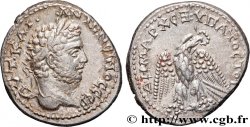



Your Recently Viewed Items

CONSTANTINE I THE GREAT Follis ou nummus VF
4.00 €

2 francs Georges Guynemer 1997 F.275/2 MS63
11.00 €
cgbfr.com numismatists


